

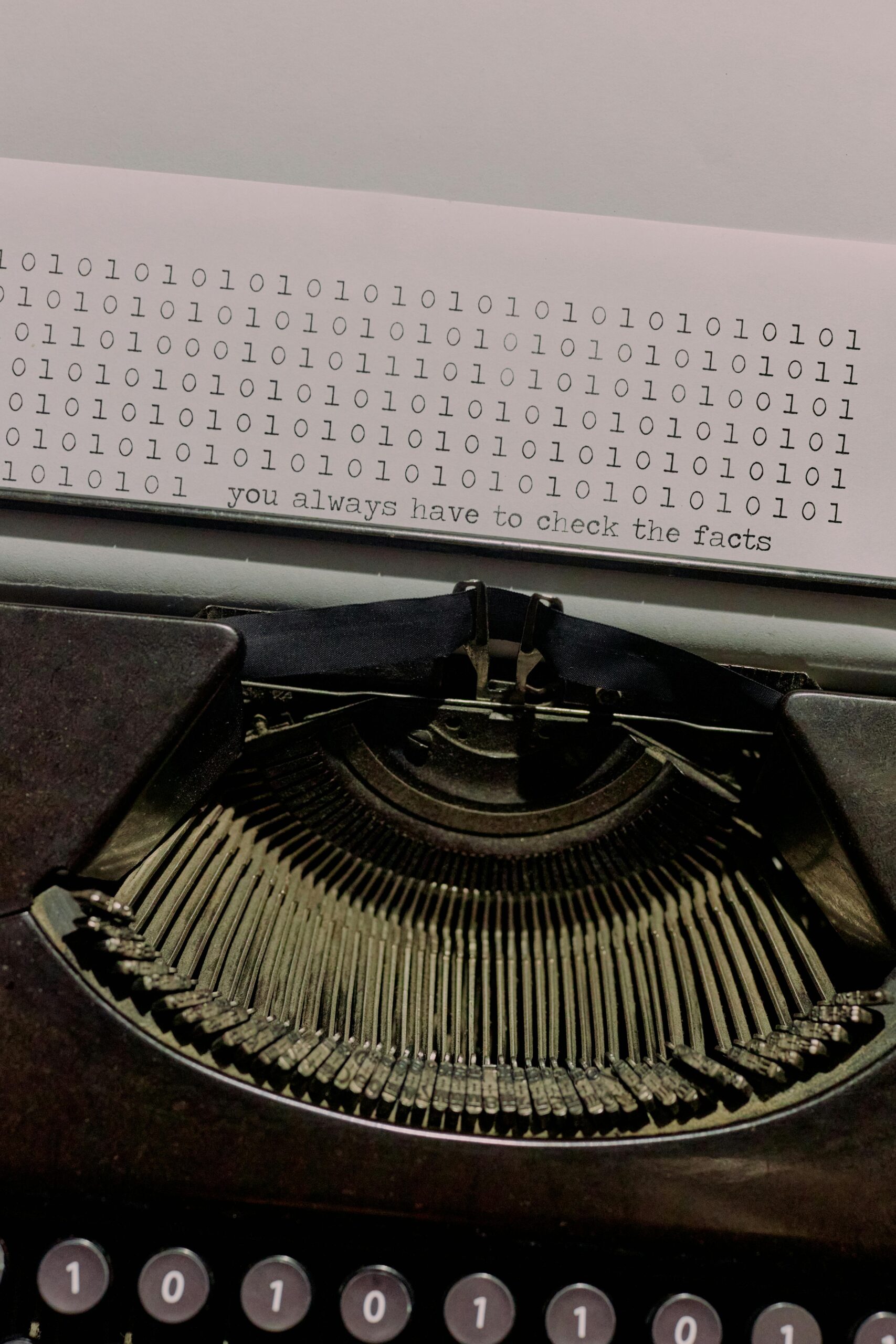
Understanding the Importance of Fact-Checking
In today’s fast-paced digital landscape, we are bombarded with information from every direction. From social media feeds to news articles, it can feel overwhelming. But how do we know what’s true and what’s not? This is where fact-checking comes into play. It’s crucial to ensure that the information we consume is accurate and reliable.
The Rise of Misinformation
Misinformation spreads like wildfire, especially during crises or significant events. Think about it: false information can influence public opinion and behaviour during an election or a pandemic. The consequences can be severe, leading to confusion and mistrust. Because of this, fact-checking has become more important than ever. It acts as a safeguard against the chaos of misinformation.
Essential Tools for Fact-Checking
When it comes to fact-checking, there are several tools that can help you sift through the noise. Here are some of the most effective ones:
- Snopes: This is one of the oldest and most trusted fact-checking websites. It covers a wide range of topics, from urban legends to current events.
- PolitiFact: Known for its “Truth-O-Meter,” PolitiFact evaluates the accuracy of claims made by politicians and public figures.
- FactCheck.org: This non-profit organization monitors the factual accuracy of statements made by political leaders and advocates.
- Google Reverse Image Search: This tool allows you to verify the authenticity of images by checking where they’ve appeared online before.
- Hoaxy: This tool visualizes the spread of misinformation and helps track how false claims circulate across social media.
Tips for Effective Fact-Checking
While tools are essential, knowing how to use them effectively is equally important. Here are some practical tips:
1. Verify the Source
Before sharing any information, check the credibility of the source. Is it a reputable news outlet or a random blog? Reliable sources often have a history of accurate reporting.
2. Cross-Reference Information
Don’t rely on a single source. Look for multiple outlets reporting the same story. If several trusted sources confirm the information, it’s more likely to be accurate.
3. Look for Evidence
Good journalism is backed by evidence. Check if the claims made in an article are supported by data, studies, or expert opinions. If there’s no evidence, be cautious.
4. Be Skeptical of Sensational Headlines
Catchy headlines are designed to grab attention, but they can also be misleading. Always read beyond the headline to understand the full context of the information.
5. Check the Date
Sometimes, old news can resurface and cause confusion. Always check the publication date to ensure the information is current.
6. Know the Common Misinformation Tactics
Recognizing tactics like cherry-picking data or using emotional appeals can help you identify misleading information. Stay informed about common strategies used to spread misinformation.
7. Use Fact-Checking Websites
Don’t hesitate to use dedicated fact-checking websites. They can save you time and provide you with verified information quickly.
The Role of Social Media in Fact-Checking
Social media platforms play a significant role in the spread of information. While they can be great for sharing news, they can also amplify false claims. Many platforms have started to implement fact-checking measures, but it’s still up to users to be vigilant. Always question the information you see, especially if it seems outrageous or too good to be true.
Building a Culture of Critical Thinking
Encouraging critical thinking is vital in combating misinformation. We should all strive to be discerning consumers of information. By questioning what we read and sharing only verified facts, we can contribute to a more informed society.
Conclusion
In this digital era, fact-checking is not just a nice to have; it’s a necessity. With the right tools and a healthy dose of skepticism, we can navigate the complex landscape of information and ensure that we’re sharing accurate and reliable content. So, the next time you come across a sensational claim, take a moment to pause, check your sources, and verify the facts. Together, we can fight misinformation and promote a culture of truthfulness in our digital lives.