

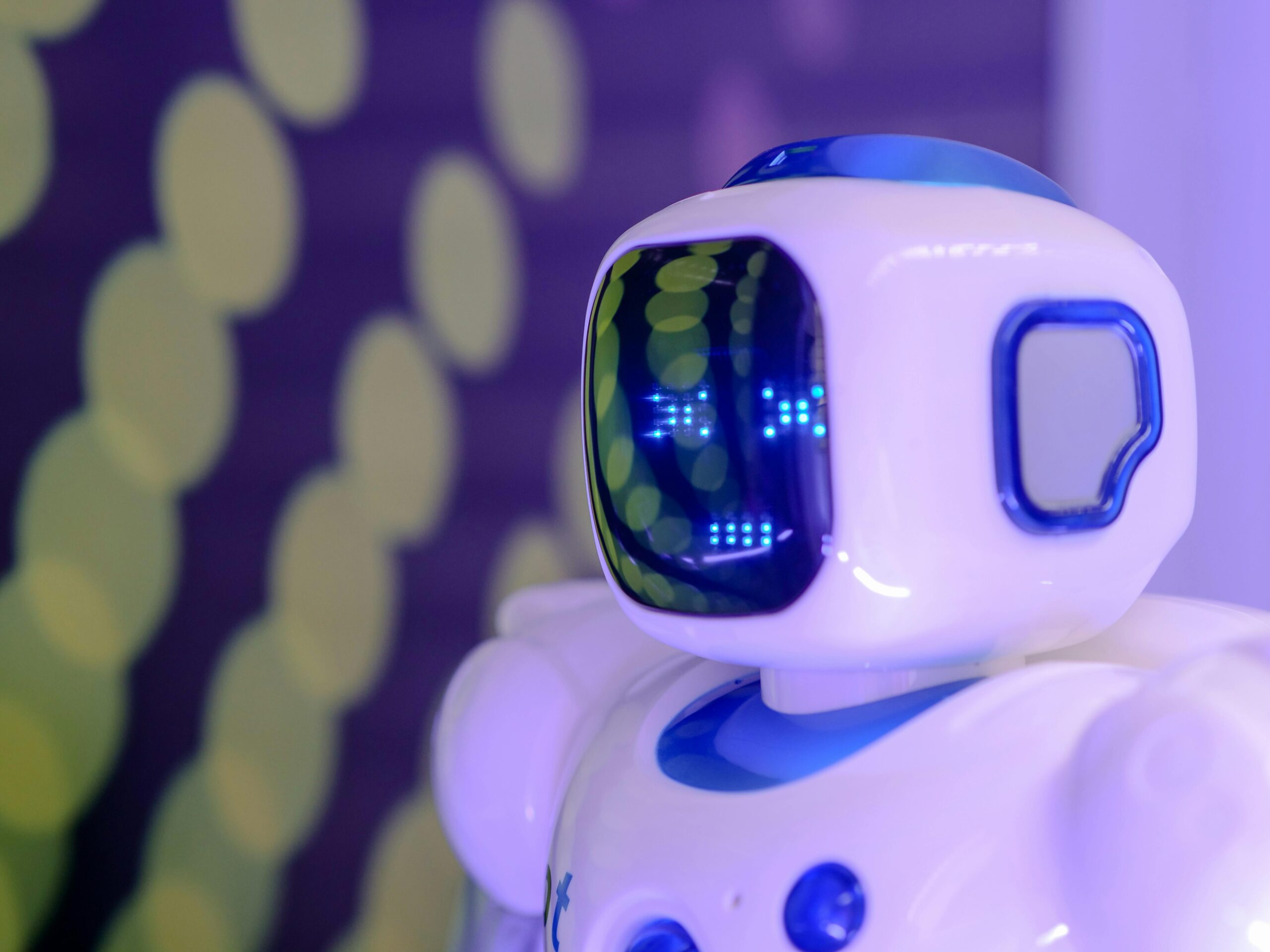
Artificial Intelligence (AI) is no longer a concept of the future; it’s already here, transforming various aspects of our lives. From improving healthcare to changing the way we work, it has significant potential. However, it’s important to consider both the positive and negative impacts of this technology. In this article, we’ll explore the different facets of AI, including automation and the economic impacts on jobs.
What is Artificial Intelligence?
Artificial Intelligence refers to the creation of computer systems that can perform tasks that usually require human intelligence. These tasks include understanding natural language, recognizing patterns, learning from experience, and making decisions.
The Benefits of AI
Improving Healthcare
AI is revolutionizing healthcare by helping doctors diagnose diseases faster and more accurately. For example, it can analyze medical images to detect cancer early. This not only saves lives but also reduces the cost of treatment.
Enhancing Efficiency
In industries like manufacturing, AI-powered robots can work alongside humans to increase productivity. These robots can handle repetitive tasks, allowing human workers to focus on more complex activities.
Personalized Experiences
AI algorithms help provide personalized experiences in areas such as online shopping and entertainment. They analyze user behavior to recommend products, movies, or music that individuals are likely to enjoy.
The Downsides of AI
Deep Fakes
Deep fakes are AI-generated videos or images that look real but are not. They can be used to spread misinformation, creating problems in areas like politics and personal privacy. The ability to create convincing fake content is a significant challenge that needs addressing.
Job Displacement
While AI can enhance efficiency, it also poses a threat to jobs. Many tasks that humans currently perform could be automated. This shift could lead to job losses, especially in sectors like manufacturing, transportation, and customer service.
Ethical Concerns
AI systems can sometimes make decisions that are biased or unfair. For example, an AI used in hiring might favor certain groups over others if it learns from biased data. Ensuring fairness and transparency in AI systems is crucial.
AI Agents and Automation
Automated AI Agents
AI agents are software programs that can perform tasks autonomously. They can schedule meetings, manage emails, and even provide customer support. These agents are becoming more common in both personal and professional settings.
Automation
Automation refers to the use of technology to perform tasks without human intervention. In industries like banking, automation is used for things like processing transactions and managing data. This increases efficiency but also reduces the need for human workers.
Economic Impacts of AI
Job Creation and Loss
Artificial Intelligence will create new jobs even as it eliminates others. New roles will emerge in fields like AI maintenance, data analysis, and cybersecurity. However, workers in certain industries may need to retrain to stay relevant.
Changing Job Landscape
The skills required in the job market will change. There will be a higher demand for tech-savvy workers who can manage and develop these systems. On the other hand, jobs that involve repetitive tasks may decline.
Economic Growth
Artificial Intelligence has the potential to boost economic growth by increasing productivity. Companies that adopt these technologies can reduce costs and innovate more quickly, which can lead to the development of new products and services.
Balancing the Pros and Cons
To maximize the benefits of AI while minimizing its drawbacks, it’s important to approach this technology with careful planning and regulation. Governments, businesses, and educators need to work together to ensure that this technology is used responsibly and that workers are prepared for the changes it brings.
Conclusion
Artificial Intelligence is a powerful tool that can drive significant improvements in various sectors. However, it also presents challenges that need to be addressed. By understanding both the opportunities and risks associated with it, we can work towards a future where this technology benefits everyone.